
How to Build an SQF Food Safety Manual (Without Starting from Scratch)
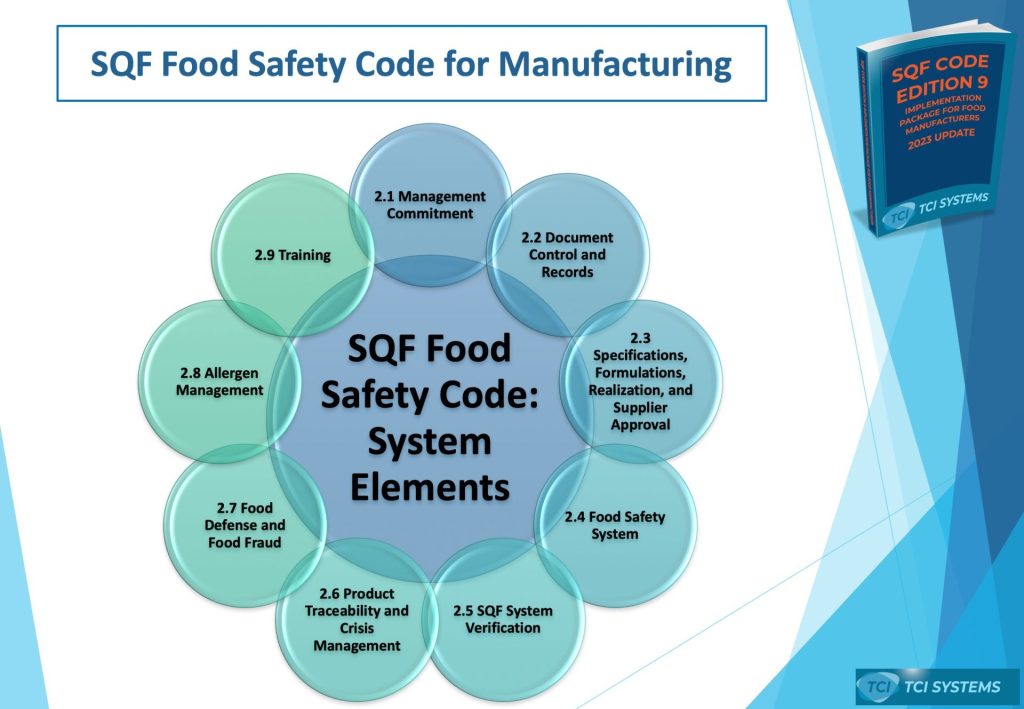
Based on years of experience of helping sites achieve SQF Certification I know that if you are the designated SQF Practitioner, the task of building a SQF Food Safety Manual can feel like standing at the foot of a mountain. The SQF Code Edition 9 is dense, and the “System Elements” required in Module 2 are non-negotiable.
The good news? You don’t need to reinvent the wheel. Here is the strategic way to build an audit-ready manual by leveraging frameworks and templates without losing the “site-specific” touch that auditors demand.
1. Understand the Purpose of the Manual
In the world of SQF, your manual is your Level 1 Document. It isn’t meant to hold every single cleaning log or temperature record. Instead, its job is to:
- Define your Policies and Objectives (What you intend to do and when).
- Define your Structure (Who is responsible).
- Point to your SOPs (How you do it).
2. The “Pillar” Sections of Your Manual
To build a SQF Food Safety Manual quickly, focus on these five core sections. Most of these can be adapted from high-quality templates:
- Management Commitment
This is often the first thing an auditor reads. It must include a signed Food Safety Policy, Food Safety Objectives and evidence of a Food Safety Culture program.
- Template Tip: Use a template that includes the specific “Culture” language required in Edition 9, then have your CEO/Site Manager personalize and sign it.
- The SQF Team & Scope
Clearly define what your facility does.
- Scope: Does it include storage and distribution, or just manufacturing?
- The Team: List your SQF Practitioner and their backup.
- Template Tip: Use a pre-formatted Organizational Chart where you can simply swap in names and titles.
- The Food Safety Plan (HACCP)
The manual must summarize your HACCP approach. It should outline how you identified hazards and how you manage your Critical Control Points (CCPs).
- Template Tip: Don’t write a Hazard Analysis from a blank page. Start with a template for your specific food sector (e.g., Bakery, Meat, or Packaging).
- Document Control & Record Keeping
You need a system to ensure people aren’t using “old versions” of forms.
- Template Tip: Adopt a standard numbering system (e.g., SOP-001, FORM-001) provided in a professional toolkit to keep everything organized from day one.

3. Why "Starting from Scratch" is a Risk
While it’s tempting to try and write everything yourself to save money, it often leads to two major issues:
A. The “Copy-Paste” Trap: Practitioners often copy text from the SQF Code itself. Auditors hate this. They want to see how you meet the code, not a restatement of the code.
B. Missing Links: If your Manual mentions a “Supplier Approval Program” but you forgot to write the actual SOP or the “Approved Supplier List” form, you will receive a Non-Conformity.

4. The "Fast-Track" Method: Supported Templates
The most efficient way to build your manual is to use a Supported Template Toolkit. ### How it works:
A. Download the Framework: You start with 80% of the work done. The technical language, the cross-referencing between Module 2 and Module 11, and the formatting are already there. The Template Toolkit even includes our unique HACCP Calculator that simplifies the process of Hazard Analysis and Developing your Food Safety Plans.
B. Site-Specific Customization: You spend your time filling in the 20% that matters—your specific equipment, your ingredients, and your team’s names.
C. Technical Validation: This is where our service shines. We don’t just give you the templates; we review your manual.

5. Final Step: The "Internal Audit" Test
Before your official audit, use your manual to conduct an internal audit. If you can’t find a document within 3 minutes, your manual isn’t organized enough.
Building your SQF Food Safety Manual shouldn’t take six months. With our SQF Edition 9 Template Toolkit and technical support, you can have a submission-ready manual in a fraction of the time.
[Download Your SQF Template Toolkit & Get Technical Support Until You’re Certified]
About the Author - Tony Connor Bio
After gaining an Honors Degree in Molecular Biology and Biochemistry at the highly-rated Durham University, Tony Connor embarked on a highly successful career in the food industry.
Tony was appointed Laboratory Manager in 1989, Technical Manager of the UK’s largest multi-product dairy facility in 1993 and qualified as a Lead Assessor in 1994.
Over the years, Tony has gained experience in a variety of roles in the Food Industry including leading roles in Processing, Production, Operations, Quality, New Product Development and Technical departments.
During his career, he has commissioned both new sites and brought old sites up to SQF certification standard, helping many SQF Practitioners achieve SQF food safety certification for their organization.
With over 35 years’ experience in the food industry, Tony is a highly-regarded food safety expert and provides food operators both food certification services and hygiene, HACCP and Auditor training.